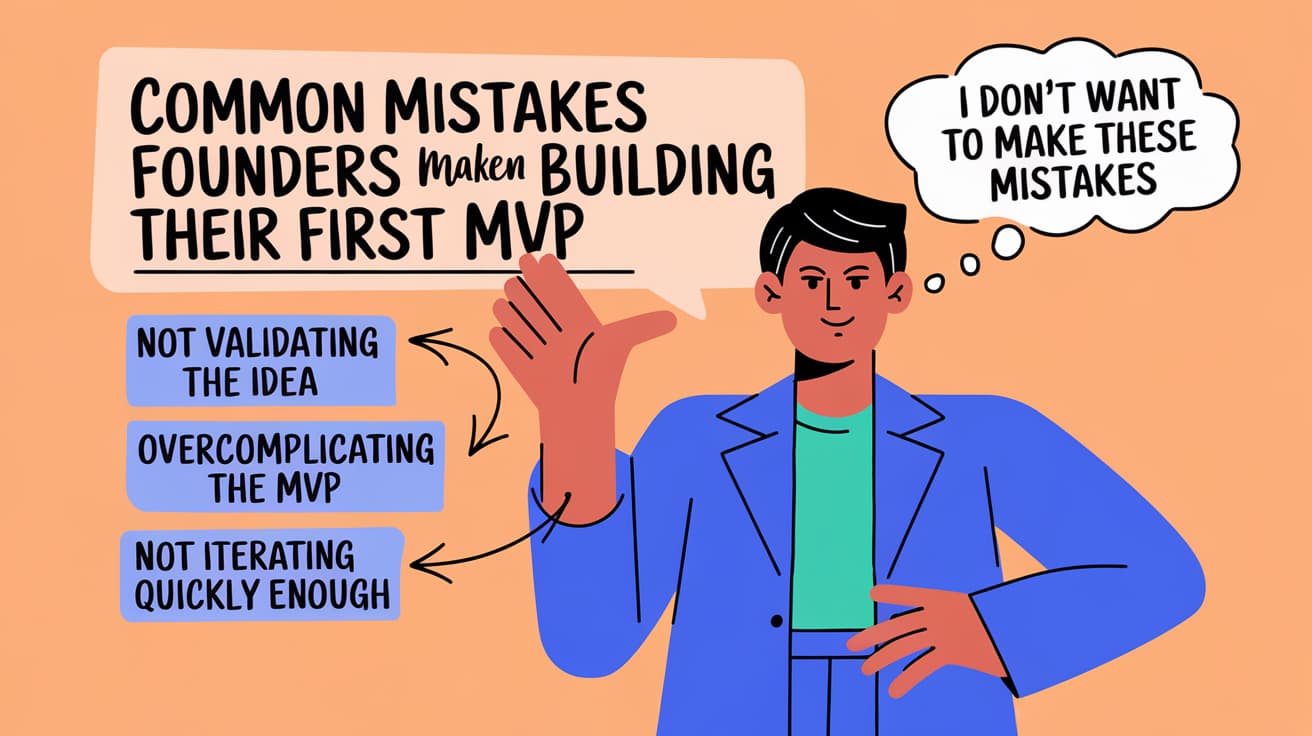
Common Mistakes Founders Make When Building Their First MVP
Mercer is a business strategist and Web3 enthusiast with years of experience helping entrepreneurs identify opportunities, launch startups, and scale operations. Known for breaking down complex topics into actionable insights, Mercer combines practical knowledge with a deep understanding of market trends to guide readers through every step of their entrepreneurial journey
Starting a new project is exciting, especially when you have a big idea for a product or service. But turning that idea into reality can be tricky, and building your first MVP (Minimum Viable Product) is often the most challenging step. An MVP is your product’s simplest version, designed to test your idea with real users. While it sounds straightforward, many founders make avoidable mistakes that can waste time and money.
In this article, I’ll walk you through the most common mistakes founders make when building their first MVP and how to avoid them.
1. Overloading the MVP with Features
One of the most common mistakes is trying to add too many features to the MVP. Founders often feel that the product needs to be “perfect” before launching, but this defeats the purpose of an MVP.
Why It’s a Problem:
It increases development time and costs.
It complicates the product, making it harder for users to focus on the core value.
It delays gathering user feedback.
How to Avoid It:
Focus only on the core feature that solves your user’s primary problem. Remember, the MVP is meant to test your idea, not to deliver a full-fledged product. Keep it simple and let user feedback guide your next steps.
2. Skipping Market Research
Another mistake is skipping the market research phase. Some founders assume they know what users want without validating their assumptions, which can lead to building a product that nobody needs.
Why It’s a Problem:
You risk solving a problem that doesn’t exist.
You waste time and resources on an idea with no demand.
You miss the chance to understand your target audience.
How to Avoid It:
Before building your MVP, talk to potential users, conduct surveys, and analyze competitors. This research will give you a clearer picture of what the market needs and how your product fits in.
3. Ignoring User Feedback
An MVP’s primary goal is to gather feedback, but many founders launch their MVP and then ignore what users have to say. This defeats the purpose of testing your idea in the real world.
Why It’s a Problem:
You miss valuable insights that can improve your product.
You risk developing features that users don’t care about.
You fail to build trust and engagement with your audience.
How to Avoid It:
Actively seek feedback from early users through surveys, interviews, or analytics. Use this information to refine your product and prioritize features that matter to your audience.
4. Choosing the Wrong Development Method
The way you build your MVP matters. Some founders try to code everything from scratch, even when no-code tools or outsourcing might be better options. This leads to delays and higher costs.
Why It’s a Problem:
Building from scratch can take months.
If you lack technical expertise, you’ll face unnecessary challenges.
It can lead to inefficiencies if the development process isn’t optimized.
How to Avoid It:
If you’re not a developer, consider using no-code tools for building MVPs like Bubble, Adalo, or Thunkable to create your MVP quickly. Alternatively, you can hire the best MVP development agency to ensure a professional and efficient build.
5. Failing to Define Success Metrics
Without clear goals or metrics, it’s hard to know if your MVP is successful. Many founders launch their MVP without defining what success looks like, which can lead to confusion and wasted effort.
Why It’s a Problem:
You don’t know if your MVP is working.
It’s harder to make data-driven decisions.
You may waste time focusing on irrelevant areas.
How to Avoid It:
Set measurable goals before launching your MVP. For example:
Number of sign-ups in the first month.
Time users spend on your platform.
Feedback ratings or reviews.
These metrics will help you track your progress and make informed decisions.
6. Underestimating Time and Budget
Many founders underestimate how long it will take to build and launch their MVP. Similarly, they often overlook hidden costs like marketing, hosting, or future updates.
Why It’s a Problem:
Delays can demotivate your team or lose investor confidence.
Running out of budget means your MVP may never reach users.
Unplanned expenses can strain resources.
How to Avoid It:
Create a realistic timeline and budget. Include time for testing, iterations, and unexpected delays. If you’re outsourcing, get a detailed estimate from your MVP development agency to avoid surprises.
7. Focusing Too Much on Aesthetics
While a good design is important, it’s not the main focus of an MVP. Some founders spend too much time perfecting the visuals instead of focusing on functionality and user experience.
Why It’s a Problem:
It delays the launch.
Users care more about whether the product solves their problem than how it looks.
You risk overcomplicating the product.
How to Avoid It:
Stick to a simple, clean design that prioritizes usability. You can always improve the aesthetics in later versions once you’ve validated your idea.
8. Failing to Market the MVP
Even the best MVP can fail if nobody knows about it. Many founders focus so much on building their product that they forget to plan a launch strategy.
Why It’s a Problem:
You don’t get enough users to test your MVP.
It’s harder to collect meaningful feedback.
Your product gets lost in the noise.
How to Avoid It:
Develop a marketing plan before your MVP launch. Use social media, email campaigns, and outreach to build anticipation. Collaborate with influencers or industry leaders to get the word out.
9. Building Without a Clear Target Audience
Not knowing who your MVP is for can lead to a product that tries to please everyone but ends up appealing to no one. This is a common mistake among first-time founders.
Why It’s a Problem:
It’s harder to design features that truly solve a problem.
You waste time catering to users who aren’t your target audience.
Your marketing efforts become less effective.
How to Avoid It:
Define your target audience early. Create user personas to understand their needs, preferences, and pain points. Tailor your MVP to address their specific problems.
10. Giving Up Too Soon
Lastly, many founders lose patience if their MVP doesn’t succeed immediately. Building a successful product takes time, iterations, and persistence.
Why It’s a Problem:
You miss opportunities to improve and grow your product.
You fail to adapt to feedback and market demands.
You risk abandoning a great idea too early.
How to Avoid It:
Treat your MVP as the starting point, not the finish line. Use failures as learning opportunities and continue refining your product based on user insights.
Conclusion
Building your first MVP is an exciting yet challenging process. By avoiding these common mistakes, you’ll save time, reduce costs, and increase your chances of success. Focus on your core features, listen to your users, and stay adaptable as you refine your product.
And if you ever feel overwhelmed, consider partnering with experts. You can always hire the best MVP development agency to guide you through the process and ensure a smooth launch.
FAQs
What is the purpose of an MVP?
An MVP is the simplest version of a product, created to test your idea with real users. It helps you validate your concept, gather feedback, and improve your product without wasting resources.
How do I prioritize features for my MVP?
Focus on the core functionality that solves your target audience’s primary problem. Leave secondary features for later updates.
Can I use no-code tools for building an MVP?
Yes, no-code tools like Bubble, Adalo, and Thunkable are excellent options for quickly building MVPs without coding skills.
How much does it cost to build an MVP?
The cost depends on the complexity of your product. Using no-code tools is budget-friendly, but for complex MVPs, it’s wise to hire a professional MVP development agency.
How long does it take to build an MVP?
Most MVPs can be built in 4-8 weeks, depending on the features and development method. Using no-code tools or working with an agency can speed up the process.
Read the guides below to build the best MVP -
How to Launch an iOS App MVP with No Code
10 Chrome Extensions for Building MVP
How to Build an Android App MVP Without Coding