Business Proposal Ideas: Winning Concepts for Any Industry
Mercer is a business strategist and Web3 enthusiast with years of experience helping entrepreneurs identify opportunities, launch startups, and scale operations. Known for breaking down complex topics into actionable insights, Mercer combines practical knowledge with a deep understanding of market trends to guide readers through every step of their entrepreneurial journey
A strong business proposal is more than just a document; it’s your chance to showcase your vision and convince others to invest in your idea. Whether you’re pitching a project to a potential client, seeking funding, or proposing a partnership, your business proposal should highlight the value you bring to the table. But what if you’re stuck on where to begin or how to stand out? That’s where having clear and innovative business proposal ideas comes in.
In this article, we’ll walk through practical business proposal ideas for various industries and scenarios. From startups to freelancers and established companies, you’ll find inspiration to craft proposals that grab attention and close deals.
1. Custom Marketing Campaign Proposal
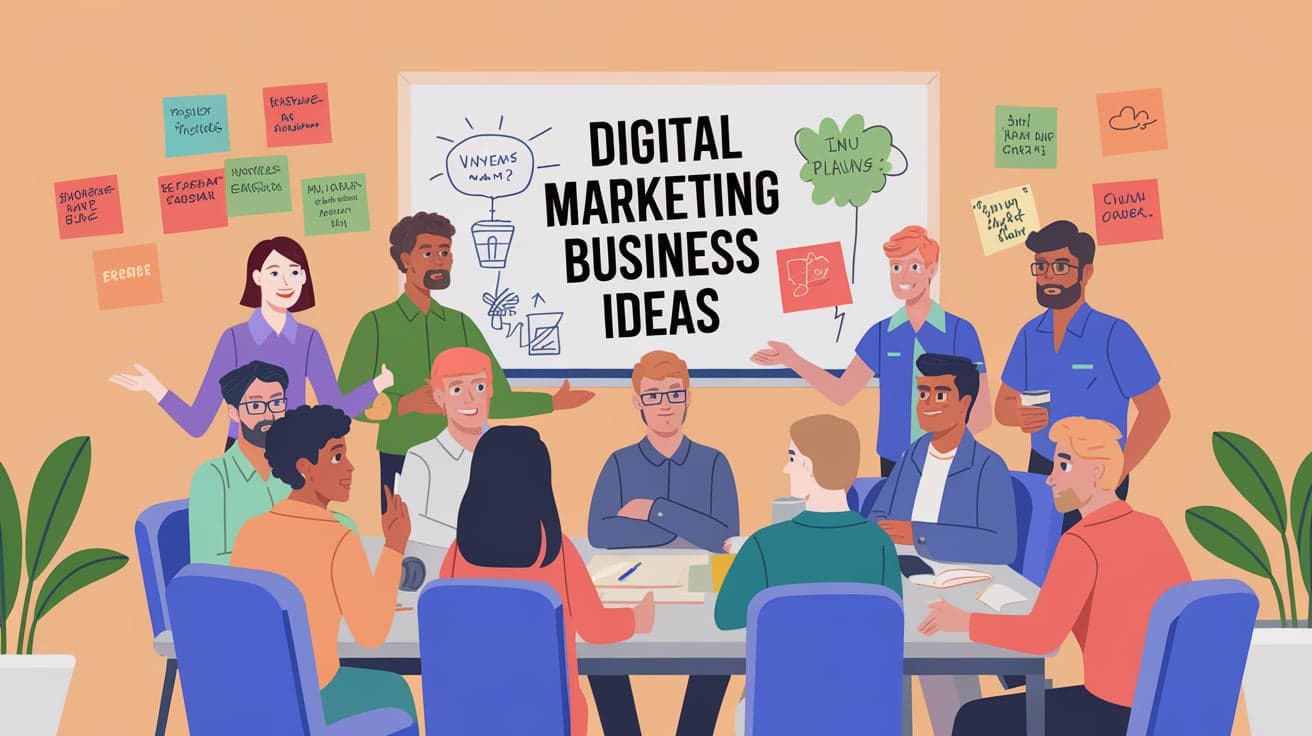
If you’re in the marketing industry, crafting a custom marketing campaign proposal for a specific client is a great way to win their trust. Show them you’ve done your homework and understand their goals.
How to Structure It:
Problem Identification: Start by outlining the client’s pain points, like low brand awareness or poor online engagement.
Proposed Solutions: Offer tailored strategies like social media campaigns, SEO optimization, or email marketing.
Expected Results: Use data or case studies to show how similar strategies have worked before.
Why It Works:
This approach demonstrates that you’ve taken the time to understand the client’s needs and can offer solutions that directly address their problems.
2. App Development Proposal
If you’re in tech, proposing an app development project can open doors to new opportunities. Businesses are always looking for ways to improve customer experience or streamline operations through mobile apps.
How to Structure It:
Objective: Explain what the app will achieve, such as increasing sales or improving customer support.
Features: List key functionalities like user-friendly design, payment gateways, or push notifications.
Timeline and Budget: Provide realistic estimates to build trust.
Why It Works:
Apps are a growing need in today’s digital world, and a clear proposal can show businesses how your expertise will benefit them.
3. Sustainability Initiative Proposal
Sustainability is more than a trend—it’s a priority for many businesses and organizations. Proposing a sustainability initiative shows that you’re forward-thinking and aligned with current values.
How to Structure It:
Overview: Describe the sustainability issue, like reducing waste or switching to renewable energy.
Plan: Offer actionable steps such as recycling programs, energy-efficient technology, or supply chain improvements.
Impact: Highlight the environmental, social, and financial benefits of adopting your proposal.
Why It Works:
Businesses are increasingly judged on their environmental impact, making sustainability proposals highly attractive.
4. E-commerce Business Proposal
E-commerce continues to grow, and businesses often need help setting up online stores or improving their existing platforms. A well-thought-out proposal can secure you as their go-to e-commerce expert.
How to Structure It:
Client Pain Points: Discuss challenges like low online sales or an outdated website.
Proposed Solutions: Offer ideas like a better user interface, targeted marketing, or streamlined checkout processes.
Budget and ROI: Show how the investment will lead to measurable returns.
Why It Works:
With e-commerce booming, businesses need innovative strategies to stay competitive. A detailed plan can make you indispensable.
5. Employee Training Program Proposal
Companies understand that investing in employee skills pays off in productivity and morale. A training program proposal can focus on areas like leadership, software, or customer service.
How to Structure It:
Problem Statement: Highlight the gap in skills or knowledge within the organization.
Program Details: Outline the curriculum, duration, and format (online or in-person).
Expected Outcomes: Share how the training will improve efficiency, teamwork, or customer satisfaction.
Why It Works:
This idea is practical for businesses aiming to upskill their workforce without disrupting daily operations.
6. Event Planning Proposal
If you’re in the event planning industry, a proposal can help you secure contracts for weddings, conferences, or fundraisers. Your ability to showcase attention to detail and creativity is key here.
How to Structure It:
Client Needs: Summarize what the client is looking for, like a corporate retreat or product launch.
Proposed Plan: Include venue options, themes, catering, and entertainment.
Timeline and Budget: Break down the project phases and costs to set expectations.
Why It Works:
A well-organized proposal highlights your professionalism and gives clients confidence in your ability to deliver a successful event.
7. Digital Transformation Proposal
Many businesses struggle with transitioning to digital processes. Proposing a digital transformation strategy can make you a valuable partner in their modernization journey.
How to Structure It:
Current State: Describe inefficiencies like manual workflows or outdated software.
Proposed Changes: Offer solutions like cloud integration, CRM systems, or AI tools.
Implementation Plan: Detail the steps, timelines, and team roles for a smooth transition.
Why It Works:
Businesses want to stay competitive, and showing how your expertise can drive efficiency and innovation will grab their attention.
8. Real Estate Investment Proposal
If you’re in real estate, an investment proposal can attract funding or partnerships for residential or commercial projects.
How to Structure It:
Market Analysis: Include data about demand, competition, and potential returns.
Project Overview: Provide details like location, design, and target audience.
Financial Plan: Show the projected costs, funding requirements, and ROI.
Why It Works:
Investors look for detailed plans backed by research. A well-prepared proposal can set you apart in a competitive market.
9. Subscription-Based Service Proposal
Subscription models are popular across industries, from fitness to software. Proposing a subscription-based business idea can help you secure buy-in from partners or investors.
How to Structure It:
Concept Overview: Explain your subscription idea, like a meal delivery service or an online course platform.
Value Proposition: Highlight why the service is convenient, cost-effective, or unique.
Growth Strategy: Share plans for acquiring and retaining subscribers.
Why It Works:
Subscription businesses offer recurring revenue, making them appealing to stakeholders.
10. Community Engagement Proposal
For nonprofits or social enterprises, a community engagement proposal can showcase how you’ll make a positive impact while achieving organizational goals.
How to Structure It:
Objective: Define the purpose, like increasing public awareness or building community trust.
Activities: List events, campaigns, or programs to achieve the objective.
Measurement: Explain how you’ll track success, such as attendance or survey feedback.
Why It Works:
A well-planned proposal demonstrates your commitment to social responsibility, attracting partners who share similar values.
11. Product Launch Proposal
A new product launch requires careful planning and execution. If you’re a marketer, designer, or strategist, pitching a launch plan can secure clients for upcoming projects.
How to Structure It:
Launch Goals: Define what success looks like, like sales targets or media coverage.
Marketing Strategies: Share ideas like teaser campaigns, influencer partnerships, or product demos.
Timeline and Budget: Detail the steps from pre-launch to post-launch, with clear cost estimates.
Why It Works:
A comprehensive proposal shows your expertise in turning ideas into successful market entries.
12. Travel Package Proposal
If you’re in the travel industry, creating tailored travel package proposals can attract tourists or business travelers. This is especially relevant in niche markets like eco-tourism or adventure travel.
How to Structure It:
Target Audience: Define the traveler type, like families or solo adventurers.
Package Details: Include itineraries, accommodations, and unique experiences.
Pricing and Discounts: Offer flexible options to fit different budgets.
Why It Works:
Custom travel packages appeal to clients seeking convenience and unique experiences, setting you apart from generic offerings.
13. Content Marketing Proposal
As businesses focus on digital presence, content marketing is a crucial service. Propose a strategy to help clients generate leads and grow their audience through high-quality content.
How to Structure It:
Current Challenges: Identify gaps in the client’s existing content strategy.
Proposed Content: Suggest blogs, videos, infographics, or case studies.
KPIs: Share how you’ll measure success, like traffic, engagement, or lead conversions.
Why It Works:
Content marketing drives long-term results, making it a valuable investment for businesses.
14. Green Building Project Proposal
Sustainable construction is becoming increasingly popular. Proposing a green building project can help you secure funding or partnerships for environmentally-friendly developments.
How to Structure It:
Project Goals: Highlight energy efficiency, renewable materials, or waste reduction.
Design and Construction Plan: Share eco-friendly techniques and technologies.
Long-Term Impact: Show how the building will benefit the environment and its users.
Why It Works:
Green initiatives align with modern values, making them attractive to stakeholders.
15. Freelance Collaboration Proposal
If you’re a freelancer, collaborating with other professionals can expand your services and client base. A proposal can outline how you’ll work together to achieve mutual goals.
How to Structure It:
Collaboration Goals: Define what you aim to achieve, like shared clients or bundled services.
Roles and Responsibilities: Clarify who does what to avoid confusion.
Revenue Sharing: Outline how profits will be divided fairly.
Why It Works:
Collaboration allows freelancers to offer more comprehensive services, benefiting everyone involved.
Conclusion
A well-crafted business proposal can open doors to new opportunities, whether you’re pitching to clients, investors, or collaborators. The ideas shared in this guide provide a starting point for creating proposals that stand out. Remember, the key to a successful proposal is understanding your audience’s needs and showing them the value you bring.
Take the time to tailor your proposals, back them up with research, and present them professionally. With the right approach, you’ll not only secure approval but also build lasting relationships.
FAQs
What is a business proposal?
A business proposal is a document that outlines your idea, strategy, or service to convince others—like clients, investors, or partners—to support or invest in it.
How do I write an effective business proposal?
Start by understanding your audience’s needs. Include a clear problem statement, proposed solutions, and measurable outcomes. Back your claims with data and present the proposal professionally.
What are the common types of business proposals?
Common types include project proposals, sales proposals, marketing strategies, and partnership proposals. The format depends on the industry and the purpose of the proposal.
How long should a business proposal be?
The length depends on the complexity of your idea, but it should be concise enough to maintain the reader’s interest while covering all necessary details.
Can I use templates for business proposals?
Yes, templates can help you structure your proposal, but always customize them to fit your audience and specific goals. Tools like Canva, Microsoft Word, and proposal software offer great starting points.
Also read -