How to Validate a Business Idea: A Step-by-Step Guide
Mercer is a business strategist and Web3 enthusiast with years of experience helping entrepreneurs identify opportunities, launch startups, and scale operations. Known for breaking down complex topics into actionable insights, Mercer combines practical knowledge with a deep understanding of market trends to guide readers through every step of their entrepreneurial journey
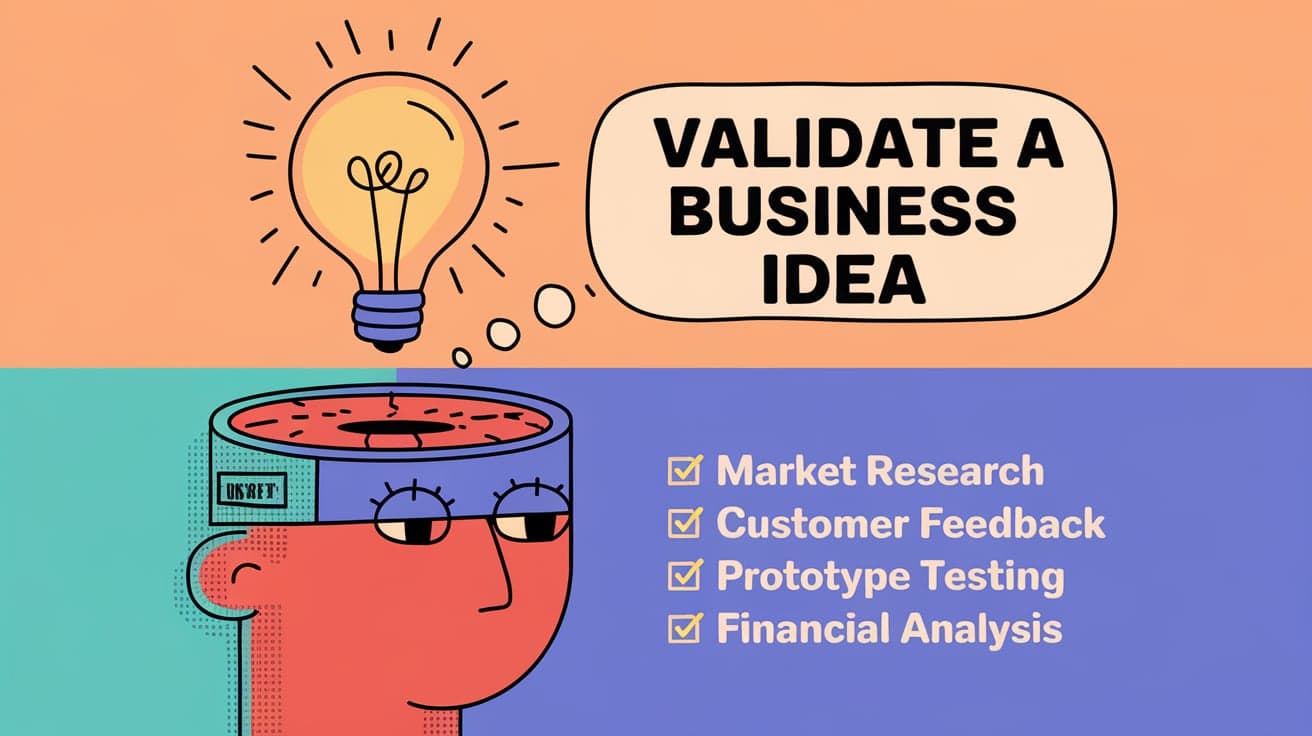
Starting a business begins with a great idea, but how do you know if your idea will actually work? This is where validation comes in. Validating a business idea means testing it in the real world to see if it solves a real problem and if people are willing to pay for your solution. Skipping this step can lead to wasted time and money. But by validating your idea early, you can refine it, minimize risks, and increase your chances of success.
In this guide, I’ll walk you through practical steps to validate your business idea. Whether it’s a product, service, or app, these methods will help you gather valuable feedback and make informed decisions before fully committing to your idea.
1. Identify the Problem You’re Solving
Every successful business solves a specific problem. Start by understanding the issue your idea addresses and who experiences it.
How to Get Started:
Talk to Potential Customers: Ask people in your target market about their challenges related to your idea.
Write a Problem Statement: Clearly define the problem and why it matters.
Observe Competitors: See how similar businesses address the problem and identify gaps in their solutions.
Why It Matters:
If your idea doesn’t solve a real problem, it’s unlikely to gain traction. Validation starts with knowing there’s a need for what you’re offering.
2. Define Your Target Audience
Knowing who your customers are is just as important as knowing the problem you’re solving. Your target audience helps you focus your efforts and avoid wasting time on the wrong market.
How to Get Started:
Create a Customer Persona: Define characteristics like age, income, location, and interests.
Conduct Surveys: Use tools like Google Forms or SurveyMonkey to gather data about your audience.
Engage on Social Media: Join groups or forums where your target audience hangs out and observe their discussions.
Why It Matters:
When you know your audience, you can tailor your idea to meet their needs and increase its chances of success.
3. Research the Market Demand
Market demand validation helps you understand if people actually want your product or service. It’s about confirming there’s enough interest to make your idea profitable.
How to Get Started:
Google Trends: Check if searches for your product or service are increasing.
Keyword Research: Use tools like Ahrefs or Ubersuggest to find popular search terms related to your idea.
Competitor Analysis: Study businesses offering similar solutions and see if they’re thriving.
Why It Matters:
Understanding market demand ensures there’s a large enough audience willing to pay for what you’re offering.
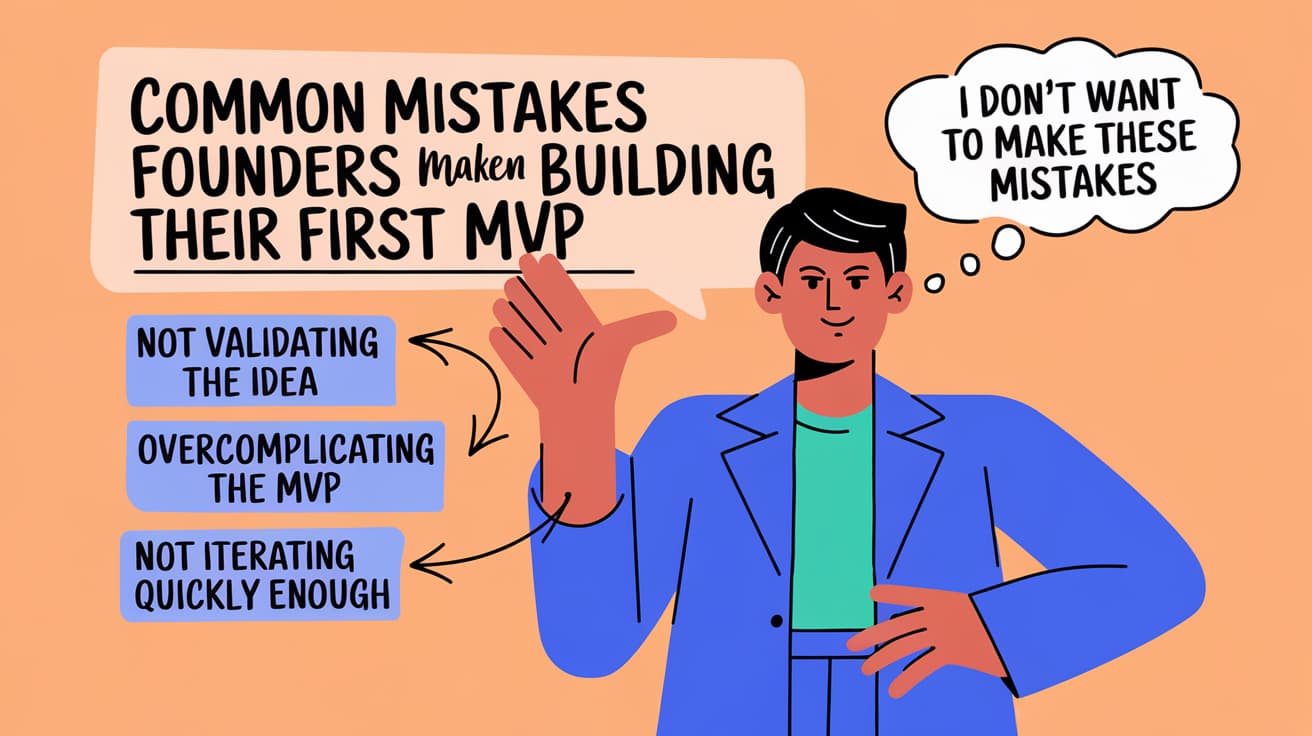
4. Build a Minimum Viable Product (MVP)
An MVP is a simplified version of your product or service. It’s designed to test your idea with minimal resources and effort.
How to Get Started:
Focus on Core Features: Identify the most essential part of your idea and build only that.
Use No-Code Tools: Platforms like Bubble or Webflow let you create basic websites or apps quickly.
Offer a Service: If your idea involves a product, start by providing it as a service to gauge interest.
Why It Matters:
An MVP allows you to test your idea with real users without spending too much time or money on development.
5. Test Your Idea with a Landing Page
A landing page is a simple website that explains your idea and collects interest from potential customers. It’s an easy way to gauge demand.
How to Get Started:
Create a Landing Page: Use platforms like Wix or Squarespace to build a page explaining your idea.
Include a Call-to-Action (CTA): Encourage visitors to sign up for updates or pre-order your product.
Run Ads: Use Facebook or Google Ads to drive traffic to your page and measure interest.
Why It Matters:
Landing pages help you test whether people are excited about your idea before you invest in a full launch.
6. Collect Feedback Early and Often
Feedback from real people can help you refine your idea and make it more appealing. It also reveals blind spots you might have missed.
How to Get Started:
Conduct Interviews: Talk to early users or interested customers about their opinions.
Send Surveys: Follow up with users who interact with your landing page or MVP.
Join Beta Testing Communities: Platforms like Product Hunt or BetaList can help you connect with early adopters.
Why It Matters:
Listening to feedback allows you to make adjustments that improve your idea and increase its chances of success.
7. Validate Pricing and Willingness to Pay
It’s not enough for people to like your idea—they need to be willing to pay for it. Testing pricing helps you find the sweet spot between affordability and profitability.
How to Get Started:
Run Pre-Sales: Offer your product or service at a discounted price before launching.
A/B Test Pricing: Show different price points to different users and compare results.
Ask Directly: Include questions about pricing in your surveys or interviews.
Why It Matters:
Understanding how much people are willing to pay ensures your business idea is financially sustainable.
8. Test Your Marketing Channels
Even the best ideas fail without effective marketing. Testing marketing channels early helps you figure out how to reach your audience.
How to Get Started:
Experiment with Social Media Ads: Start with small budgets on platforms like Instagram or LinkedIn.
Leverage Email Marketing: Build an email list from your landing page and send updates or offers.
Use Influencers: Partner with small influencers to promote your idea and track engagement.
Why It Matters:
Effective marketing ensures your target audience knows about your idea and understands its value.
9. Monitor Metrics and Analyze Results
Tracking the right metrics gives you data to make informed decisions about your idea. Metrics like sign-ups, conversions, or feedback scores tell you what’s working and what’s not.
How to Get Started:
Set Clear Goals: Define success metrics like a specific number of pre-orders or newsletter sign-ups.
Use Analytics Tools: Tools like Google Analytics or Hotjar help you track website performance and user behavior.
Iterate: Use the data to improve your idea and test again.
Why It Matters:
Metrics help you measure progress and decide whether to move forward, pivot, or scrap your idea.
10. Pilot Your Idea Locally
If your idea works on a small scale, you can gradually expand. Piloting locally allows you to test logistics, pricing, and customer experience with less risk.
How to Get Started:
Launch in Your Community: Start with friends, family, or local businesses.
Gather Feedback: Ask early users about their experience and suggestions for improvement.
Refine Your Offering: Use the pilot phase to perfect your product or service.
Why It Matters:
Starting small helps you minimize risks while gaining valuable insights to scale your idea.
11. Evaluate Your Competition
Understanding your competition helps you position your idea effectively. It also reveals opportunities to differentiate your business.
How to Get Started:
Identify Competitors: List businesses offering similar products or services.
Study Their Strategies: Analyze their pricing, marketing, and customer reviews.
Find Your Unique Selling Proposition (USP): Highlight what makes your idea better or different.
Why It Matters:
Knowing your competition helps you stand out and avoid common pitfalls.
12. Commit to a Timeline and Budget
Validating your idea shouldn’t take forever. Set a clear timeline and budget to stay focused and avoid wasting resources.
How to Get Started:
Create a Validation Plan: Outline specific steps and deadlines for each validation phase.
Set a Budget: Decide how much you’re willing to spend on tools, ads, or prototypes.
Stick to Your Goals: Stay disciplined to avoid over-analyzing or procrastinating.
Why It Matters:
A clear timeline and budget keep your validation process efficient and focused.
Conclusion
Validating a business idea is all about testing your assumptions and gathering real-world feedback. From identifying the problem and defining your audience to creating an MVP and testing marketing strategies, every step helps you refine your idea and reduce risks. By following this guide, you’ll have the tools and confidence to decide whether your idea is worth pursuing.
Remember, validation isn’t about perfection—it’s about progress. Take the first step, learn from your results, and keep improving. With dedication and the right approach, your business idea can become a reality.
FAQs
What does it mean to validate a business idea?
Validating a business idea means testing it in the real world to see if there’s demand for your product or service. It helps you gather feedback, refine your idea, and reduce risks before launching.
How long does it take to validate a business idea?
The time it takes depends on your approach and resources. A basic validation process, including surveys and an MVP, can take a few weeks to a couple of months.
What tools can I use to validate my business idea?
You can use tools like Google Trends for market research, Canva for creating prototypes, and Google Analytics for tracking metrics. Platforms like SurveyMonkey and Product Hunt can also help gather feedback.
How much money do I need to validate a business idea?
You don’t need a big budget to validate an idea. Free or low-cost tools like landing page builders, no-code platforms, and social media ads can help you start testing with as little as $100.
What should I do if my idea fails validation?
If your idea fails validation, use the feedback to pivot or refine your concept. Sometimes small adjustments, like targeting a different audience or changing your pricing, can make a big difference.
Also read -