What to Do After Getting a Business Idea: A Practical Guide

Mercer is a business strategist and Web3 enthusiast with years of experience helping entrepreneurs identify opportunities, launch startups, and scale operations. Known for breaking down complex topics into actionable insights, Mercer combines practical knowledge with a deep understanding of market trends to guide readers through every step of their entrepreneurial journey
Having a business idea is exciting—it’s the first step toward creating something that could change your life and help others. But knowing what to do next can feel overwhelming. Do you jump straight into action, or take a moment to plan? The truth is, a successful business starts with clear steps that turn your idea into a well-thought-out plan.
In this guide, I’ll walk you through the process of transforming your idea into a real business. Whether it’s your first time or you’ve been down this road before, these steps will help you move forward confidently and avoid common pitfalls.
1. Refine Your Idea: What Problem Are You Solving?
Every successful business starts with solving a problem. Your idea might sound great, but ask yourself, “What need does this address?” and “Who benefits from this solution?”
How to Refine Your Idea:
Identify your target audience: Who are your customers? What are their pain points?
Research similar businesses to understand how they solve the problem.
Write down a clear mission statement explaining your idea in one sentence.
Why This Matters:
The clearer your idea, the easier it will be to communicate and execute. It also helps you understand your competitive edge.
2. Validate Your Idea: Does It Work in the Real World?
Before you invest time and money, it’s crucial to test whether your idea resonates with potential customers. This process, called validation, helps you confirm there’s demand for what you’re offering.
Steps to Validate Your Idea:
Talk to your target audience: Conduct surveys, interviews, or informal chats to gather feedback.
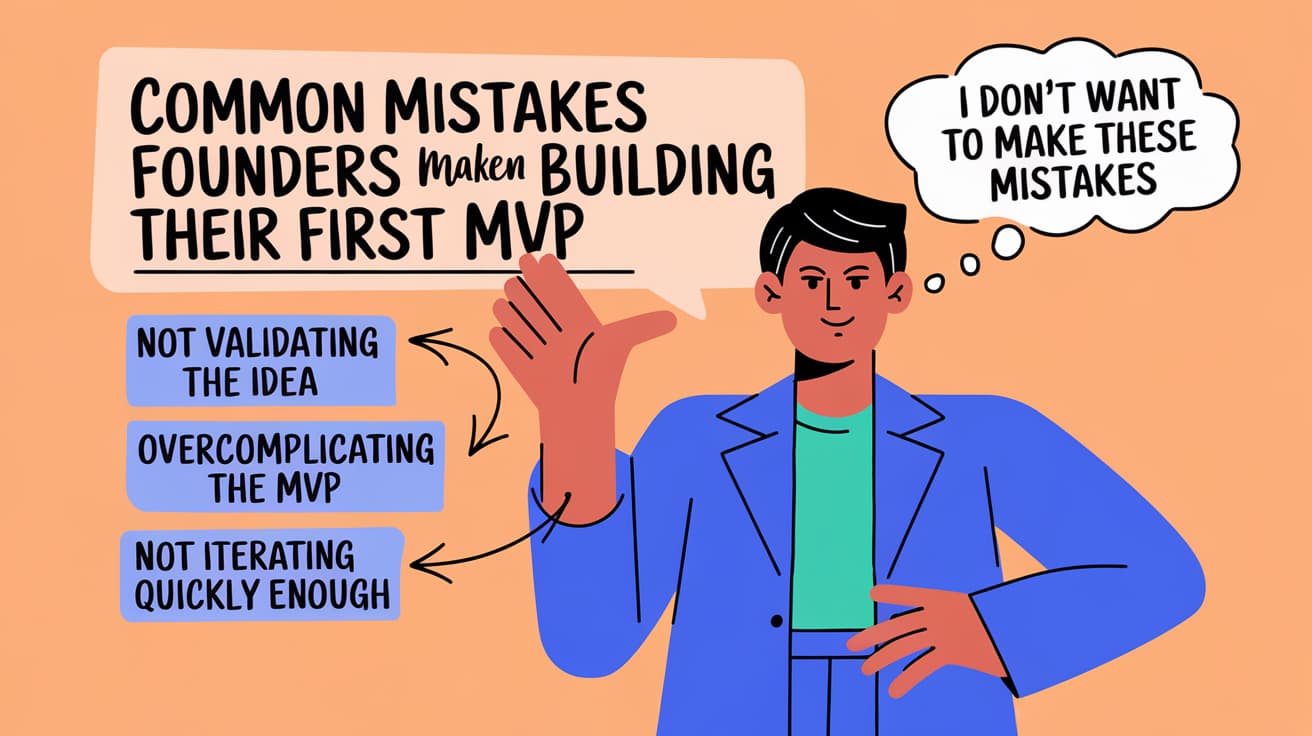
Create a Minimum Viable Product (MVP): This is a simple version of your product or service to test interest.
Analyze competitors: Look at what similar businesses are doing right and where they fall short.
Why This Matters:
Validation reduces risks. If your idea doesn’t appeal to people, you can tweak it before spending too much time or money.
3. Write a Business Plan: Map Out Your Path
A business plan acts as your roadmap, detailing how your business will operate and grow. It doesn’t have to be fancy, but it should cover the basics.
What to Include in Your Business Plan:
Executive Summary: A brief overview of your idea and goals.
Market Analysis: Details about your target audience and competitors.
Business Model: How you’ll make money (e.g., selling products, offering services).
Marketing Plan: Strategies for reaching your customers.
Financial Plan: Budget, pricing, and revenue projections.
Why This Matters:
A solid plan helps you stay focused and is often required if you need funding or partners.
4. Register Your Business: Make It Official
Once you’re ready to move forward, it’s time to make your business official. This involves choosing a structure, registering your name, and getting any required licenses.
Steps to Register Your Business:
Choose a business structure: Sole proprietorship, LLC, or corporation.
Pick a unique business name and check if it’s available.
Register your business with your local government.
Obtain necessary permits or licenses specific to your industry.
Why This Matters:
Proper registration protects your business legally and builds trust with customers and partners.
5. Create a Budget: Manage Your Finances Wisely
Financial planning is one of the most important steps. Knowing how much you need to start and keep your business running helps you avoid unnecessary debt.
How to Create a Budget:
List startup costs: Include equipment, marketing, and initial inventory.
Estimate ongoing expenses: Think rent, utilities, salaries, and software subscriptions.
Set aside a cash reserve: Plan for unexpected costs like repairs or slow sales.
Why This Matters:
A clear budget ensures you’re spending money where it counts and avoids financial surprises.
6. Build Your Brand: Stand Out From the Crowd
Your brand is more than just a logo—it’s how people perceive your business. A strong brand makes you memorable and helps build trust.
Steps to Build Your Brand:
Design a professional logo and choose brand colors.
Create a tagline that reflects your mission.
Build a simple website to showcase your business. Platforms like Wix or Squarespace make this easy.
Why This Matters:
Your brand is the first thing customers notice. A polished, consistent brand helps you stand out and attract loyal customers.
7. Market Your Business: Spread the Word
You can have the best product or service, but if no one knows about it, you won’t get sales. Marketing is how you let people know what you offer and why they need it.
Marketing Strategies to Start:
Social Media: Use platforms like Instagram or LinkedIn to connect with your audience.
Email Marketing: Build an email list to share updates and promotions.
Networking: Attend local events to meet potential customers or partners.
Why This Matters:
Effective marketing drives awareness and builds your customer base. Start small and focus on strategies that fit your budget.
8. Start Small: Launch and Learn
You don’t need to have everything perfect before launching. Starting small allows you to test your idea and improve as you go.
How to Launch:
Choose a soft launch: Begin with a small group of customers to gather feedback.
Track key metrics: Monitor sales, website traffic, and customer reviews.
Be open to changes: Use feedback to refine your product or service.
Why This Matters:
Starting small minimizes risks and gives you the chance to learn what works before scaling up.
9. Focus on Customer Experience: Build Loyalty
Happy customers are your best marketing tool. Providing great service encourages repeat business and positive reviews.
Tips for Excellent Customer Experience:
Respond quickly to questions or complaints.
Go the extra mile to exceed expectations.
Ask for feedback to show you value your customers’ opinions.
Why This Matters:
Loyal customers are more likely to recommend your business, helping you grow through word of mouth.
10. Scale Your Business: Grow Gradually
Once your business is running smoothly, it’s time to think about growth. Scaling doesn’t mean rushing—it’s about expanding thoughtfully.
How to Scale Your Business:
Increase your product range or services based on customer demand.
Hire employees or outsource tasks to manage workload.
Explore new markets, like selling online or targeting different demographics.
Why This Matters:
Scaling helps you reach more customers and increase revenue without losing the quality that made your business successful.
Conclusion: Take Action and Stay Persistent
Having a business idea is just the beginning. Turning it into reality takes planning, effort, and a willingness to adapt. Start by refining your idea and validating it with real customers. Build a solid plan, manage your finances, and focus on creating a great customer experience. Remember, success doesn’t happen overnight—stay patient and keep learning from every step of the journey.
Now that you know the process, it’s time to take action. Don’t wait for the perfect moment—it’s your effort and persistence that will bring your idea to life.
FAQs
What should I do first after getting a business idea?
Start by refining your idea and identifying the problem it solves. Then, validate it by gathering feedback from potential customers.
How can I fund my business idea?
You can use personal savings, apply for small business loans, or seek investors. Start small to reduce initial costs and minimize risk.
Do I need a business license to start?
Yes, most businesses require a license or registration. Check your local regulations to ensure you’re operating legally.
How can I find my target audience?
Research your potential customers by analyzing competitors, conducting surveys, or observing market trends. Focus on who would benefit most from your product or service.
When should I scale my business?
Scale when you have consistent sales, strong customer feedback, and the resources to expand without compromising quality. Gradual growth is key to long-term success.
Also read -